- All
- Airports & Airlines
- Aviation Services
- Base Stations & Repeaters
- Blog
- Body worn cameras
- Broadband push to talk (BBPTT)
- Case Studies
- Central Government
- Construction
- Data Centre
- Edesix Body Worn Cameras and Badges
- Education
- Emergency Services
- Energy & Renewables
- Entel DMR
- Facilities Management
- Ground to Air Radio
- Guides
- Healthcare
- Hytera Body Worn Cameras
- Hytera Digital Two Way Radio
- Hytera LTE
- Hytera POC
- Hytera Repeater Base Stations
- Hytera TETRA
- Leisure & Hospitality
- Local Government
- Logistics & Transportation
- Lone Workers
- Military & Defence
- Motorola Solutions - PMR446 Licence Free
- Motorola Solutions - TETRA
- Motorola Solutions - WAVE
- Motorola Solutions LTE Devices
- MOTOTRBO Digital Two Way Radio
- MOTOTRBO Repeater Base Stations
- News
- Nuclear
- Oil & Gas
- Pharmaceutical & Sciences
- PoC Devices
- Product focuses
- Retail
- Satellite Devices
- Security
- Software
- Tait DMR
- Technology
9th January 2021

Organisations in both the private and public sector are re-examining how they can plan forthcoming technical infrastructure upgrades to meet essential KPIs, SLAs or other operational measures. The Motorola Solutions MOTOTRBO Radio Management platform offers a way for organisations to simplify workflows, reduce downtime and create significant expenditure savings.
16th December 2020

On behalf of the Directors and Team at Radiocoms we wish you all a happy and healthy festive season. View our full Christmas message and opening times over the festive period.
9th December 2020
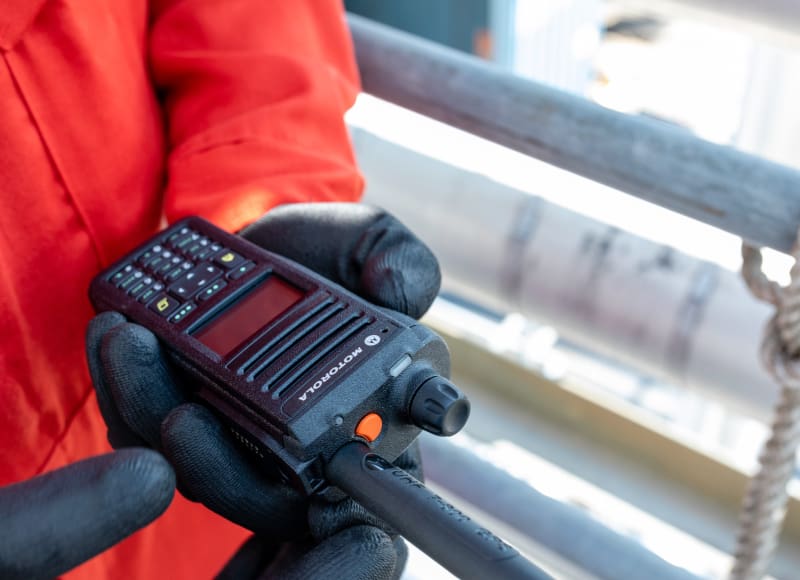
Organisations in both the private and public sector are re-examining how they can plan forthcoming technical infrastructure upgrades to meet essential KPIs, SLAs or other operational measures. The Motorola Solutions MOTOTRBO Radio Management platform offers a way for organisations to simplify workflows, reduce downtime and create significant expenditure savings.
1st December 2020
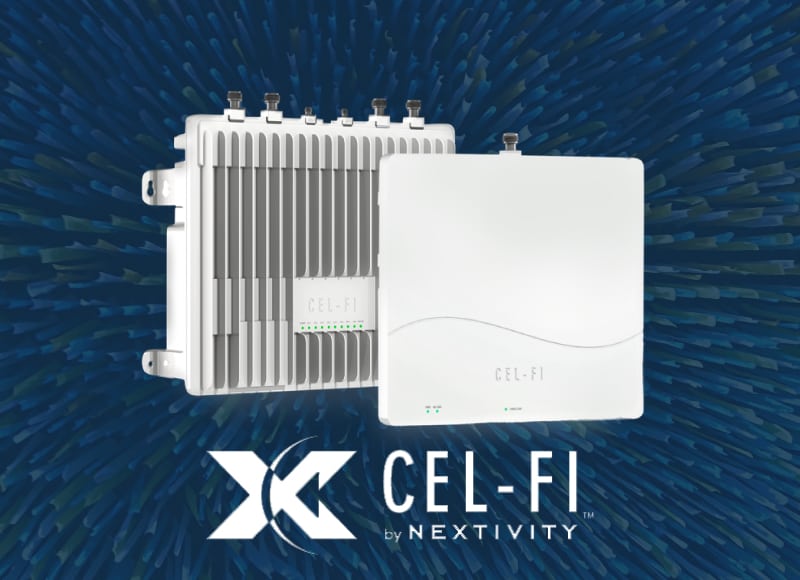
Spotty cellular coverage, poor voice quality, dropped calls, and dead zones continue to plague occupants in middleprise buildings. Cel-Fi QUATRA is an Active DAS Hybrid can solve this problem.
9th November 2020
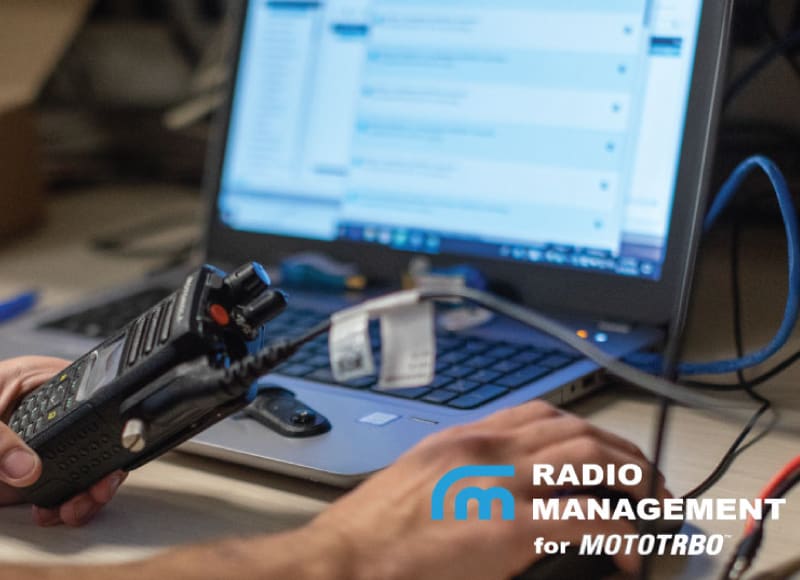
Organisations in both the private and public sector are re-examining how they can plan forthcoming technical infrastructure upgrades to meet essential KPIs, SLAs or other operational measures. The Motorola Solutions MOTOTRBO Radio Management platform offers a way for organisations to simplify workflows, reduce downtime and create significant expenditure savings.
15th October 2020

Regardless of size, the public and private sectors are both looking for answers to complex workplace challenges, these include addressing new ways to support safety and restructuring operating models to meet the needs of their customers and employees as social distancing measures remain in place. AI decision-making technologies are being adopted for their short and long term adaptabilities.
7th October 2020

The return to campus has left a large majority of universities questioning how their existing technologies can support them in delivering instantaneous team communications or mass notifications should an emergency arise. Paul Jenkins discusses with UB Magazine.
8th September 2020

Clear, concise communications are essential in the dynamic environment of a fireground incident. What technologies are firefighters utilising to support their intense amount of fast-paced communication and visibility challenges?
14th August 2020

When selecting a software solution to support a radio communications system one of the most crucial parts is evaluating the risks and benefits of whether the deployment will be on cloud, or on premise. Every business case is unique and priorities will be dependent on your IT policies & procedures, organisational workflows and what data is being stored - Radiocoms Cory Pennicott, explores.