7th November 2025

Why Proof of Concept trials matter for body-worn cameras

There are multiple reasons why body-worn cameras are being adopted across industries ranging from healthcare to logistics, parking enforcement, and retail. They capture events as they unfold, providing clear evidence that can be used in investigations, enhancing accountability, and promoting workplace safety. Apart from documenting events, they can be used as tools to shape them. For example, they can de-escalate confrontations between staff members and disaffected members of the public, alerting supervisors to a need for support when tense situations can evolve into physically threatening incidents.
3rd November 2025

Storing the evidence: body-worn video in the cloud or on-premises

Body-worn cameras capture footage that your organisation can use as evidence showing the causes of, and responses to, threats or emergencies. One of the questions our customers frequently ask about digital evidence management is: “Where should we store all this footage?” The short answer is that you have two options: store it in the cloud or store it on-premises. There are advantages and disadvantages to each, and several factors play into your final decision.
2nd October 2025

A guide to retail security

Your doors are open to the public, and most of the people who shop at your store are perfectly trustworthy. Unfortunately, a minority presents a security risk to your other customers, your staff, and your stock. Theft, fraud, and even violence in retail stores are on the rise. More than ever, retailers shoulder the responsibility of protecting their staff, customers, stock, and premises. From basic tips to tech tools, we examine some of the top retail security trends and how they help retailers to address these challenges.
29th September 2025

The importance of communication in aviation

Aviation communications require precision, both on the ground and in the air. It’s the single feature that coordinates each operation, orchestrating efficiency and safety for all concerned. Beyond pilot-to-tower communications, ground crews and emergency responders will know just how important clear communication is in their daily work. With so many moving parts to coordinate, communication is key to safety and ultimately shapes passenger experiences.
23rd September 2025

Parking enforcement: how body cameras can help

Members of the public often undervalue the importance of parking enforcement work, but as insiders know, it is crucial on several levels. After all, there are excellent reasons why parking rules exist and violations can affect others’ convenience, traffic circulation, disabled people’s rights, and public safety. It’s a task that is not without challenges. Parking enforcement workers (Civil Enforcement Officers or CEOs) encounter confrontational members of the public.
23rd September 2025

What is the best body-worn camera?

When considering what is the best body-worn camera, the context in which it will be used is a key consideration. What you are looking for are features that support your employees in the type of work they do. This may mean that certain features simply are not necessary, while others are extremely important. In this guide to the best body cameras on the market, I will examine some of the top body-worn cameras suitable for parking enforcement, security guards, retail staff, healthcare professionals, and firefighters.
12th September 2025

Our guide to firefighter health and safety

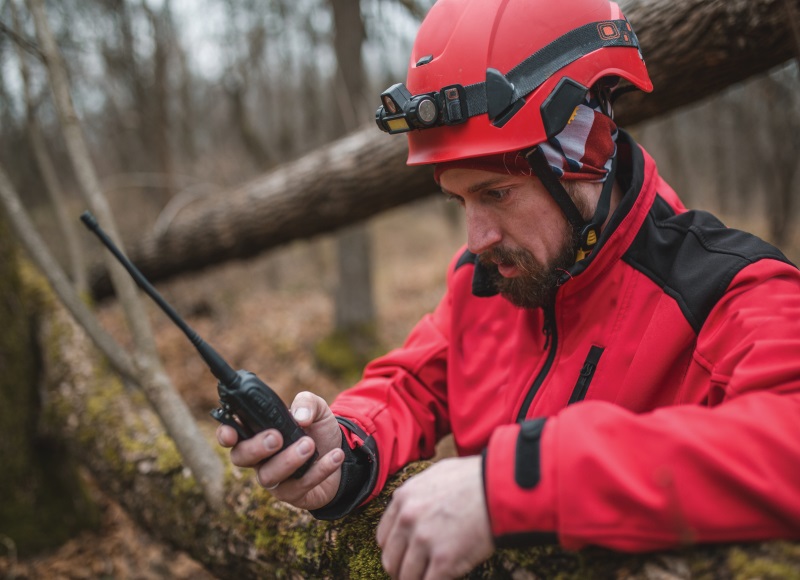
Some workplaces are more hazardous than others, but few could be more challenging than the environments firefighters regularly encounter. The brave men and women of the UK Fire and Rescue Services not only face flames, smoke, toxic fumes, collapsing structures, and extreme temperatures, but must also respond rapidly to incidents, often in difficult locations, while ensuring public safety.
3rd September 2025

Health and safety in the oil and gas industry

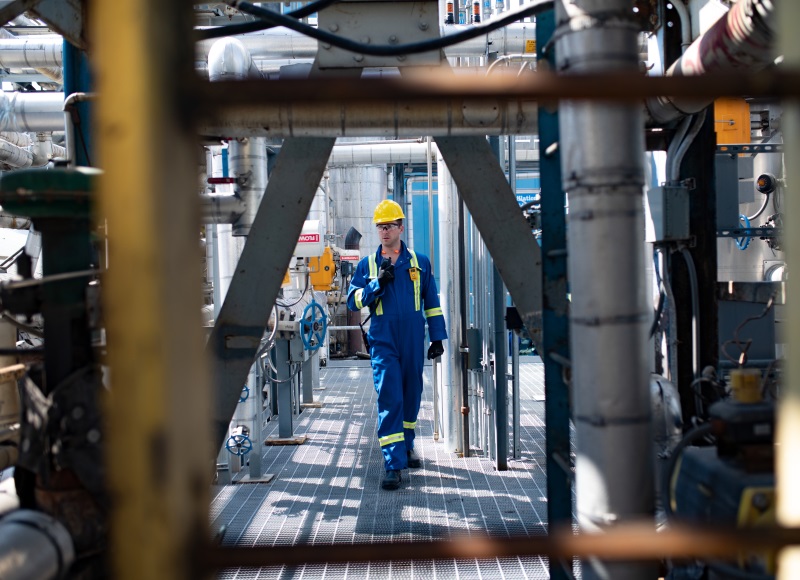
The oil and gas industry remains a key component of the UK economy and continues to play a major role in energy security. It is also an industry that directly supports tens of thousands of jobs. While the construction industry is regarded as the most dangerous from a health and safety perspective in terms of the number of reported injuries, many workers in the oil and gas industry face potential workplace hazards as a matter of routine.
3rd September 2025

Understanding the Control of Major Accident Hazards Regulations (COMAH)

The Control of Major Accident Hazards Regulations (COMAH) require companies that work with or store hazardous substances to implement stringent risk reduction strategies and formulate plans that will limit damage and avert major accidents if a dangerous situation arises. The legislation was enacted following serious accidents involving hazardous chemicals, such as the Flixborough disaster in 1974, when an explosion killed 28 people and injured 36 others.