- All
- Airports & Airlines
- Aviation Services
- Base Stations & Repeaters
- Blog
- Body worn cameras
- Broadband push to talk (BBPTT)
- Case Studies
- Central Government
- Construction
- Data Centre
- Edesix Body Worn Cameras and Badges
- Education
- Emergency Services
- Energy & Renewables
- Entel DMR
- Facilities Management
- Ground to Air Radio
- Guides
- Healthcare
- Hytera Body Worn Cameras
- Hytera Digital Two Way Radio
- Hytera LTE
- Hytera POC
- Hytera Repeater Base Stations
- Hytera TETRA
- Leisure & Hospitality
- Local Government
- Logistics & Transportation
- Lone Workers
- Military & Defence
- Motorola Solutions - PMR446 Licence Free
- Motorola Solutions - TETRA
- Motorola Solutions - WAVE
- Motorola Solutions LTE Devices
- MOTOTRBO Digital Two Way Radio
- MOTOTRBO Repeater Base Stations
- News
- Nuclear
- Oil & Gas
- Pharmaceutical & Sciences
- PoC Devices
- Product focuses
- Retail
- Satellite Devices
- Security
- Software
- Tait DMR
- Technology
2nd November 2023

Enhance your two-way radio or BBPTT system with the perfect software application bolt-ons. Discover key considerations for selection, including evaluating communication needs, compatibility, user-friendly interfaces, scalability, and training/support. Improve productivity, efficiency, and safety in your organization. Get expert insights and guidance.
15th October 2023
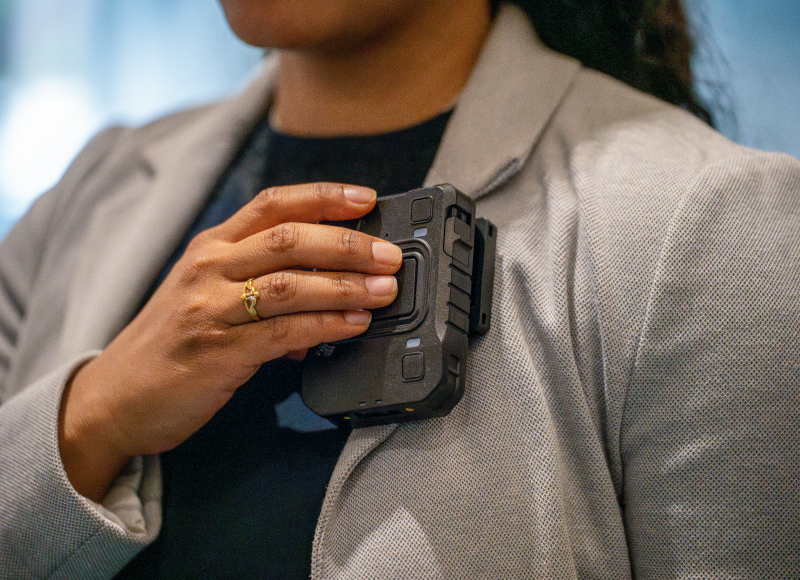
Body-worn cameras are gaining popularity across sectors like healthcare and security, offering audio and video recording to enhance safety. Yet, they pose privacy issues, prompting the UK to implement data protection rules. We'll examine these restrictions and their impact on users in this blog.
15th September 2023

With the energy sector constantly evolving, companies are seeking innovative solutions to remain competitive in today’s market. Automation has opened up a world of possibilities, propelling businesses towards a future where safety, efficiency, and cost-effectiveness are paramount.
31st August 2023
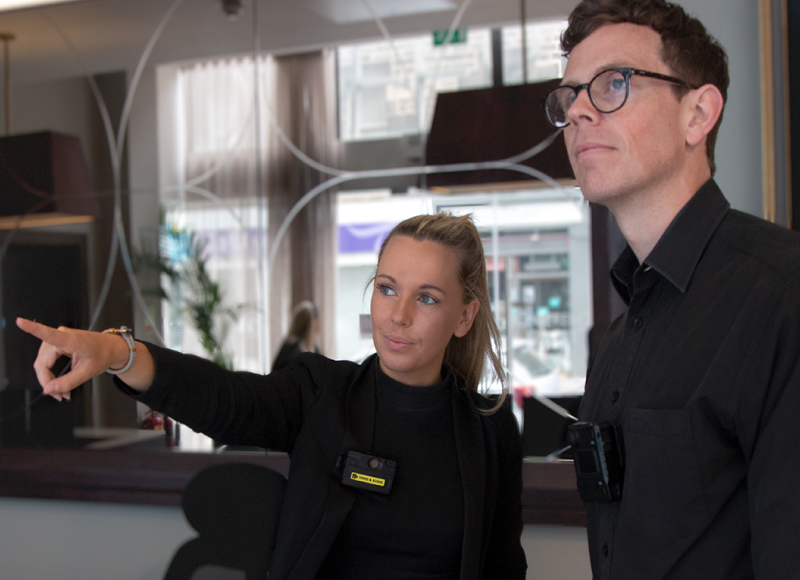
Before purchasing body worn cameras, you should recognise who this technology is going to impact your employees and your organisations. Here are some pros and cons of body worn cameras.
30th July 2023

Lone workers in the renewable energy industry face unique safety and communication challenges due to remote locations and exposure to hazardous conditions, but communication devices and software apps can help by allowing them to stay connected, tracking their location, and direct, resilient communication with supervisors or emergency services to mitigate risks and respond quickly to emergencies.
30th June 2023

For many organisations typically a large part of their workforce is often field based, instead of the typical office environment, and when the flow of information is restricted, organisations are often reactive rather than proactive. Find out how WAVE PTX can support your employees.
29th April 2023
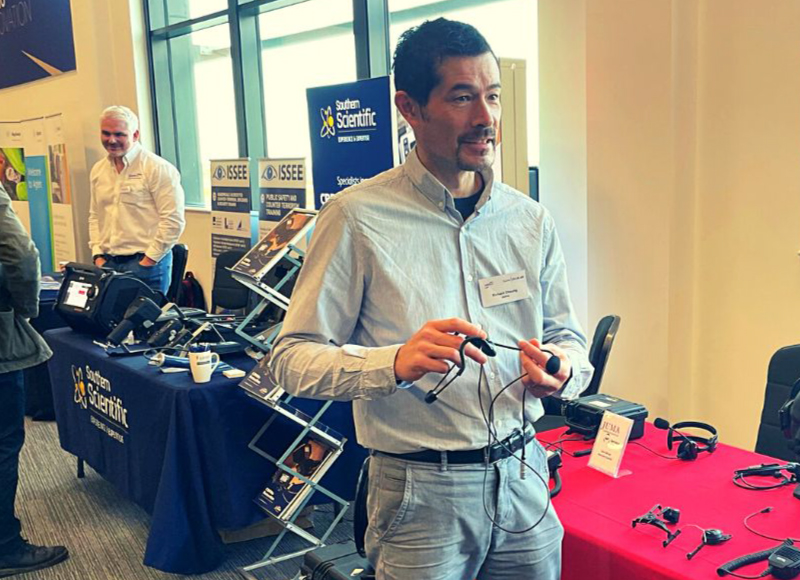
In this months ‘Ask the Expert’ we are talking to POC (push to talk over cellular) service provider, PTTi about their latest software innovations, tackling the confusion around POC and how they are leading the way with their Know More & Do More motto.
31st March 2023
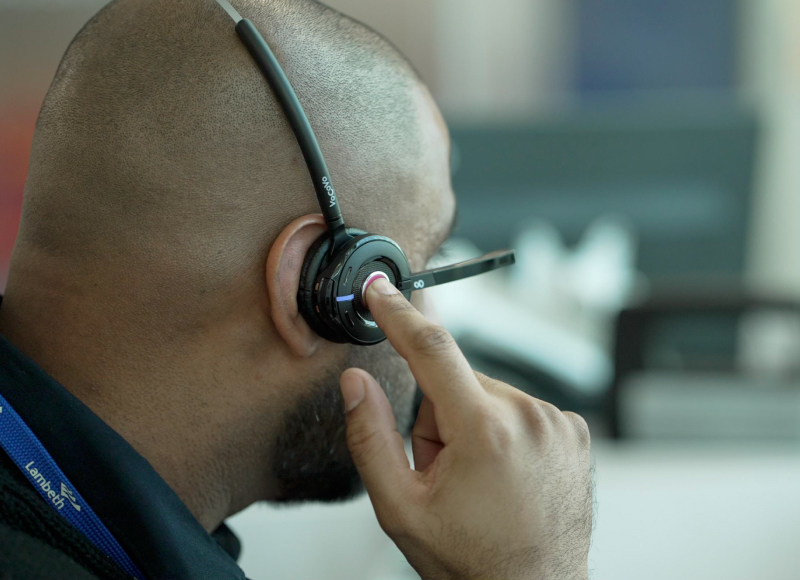
According to Deloitte’s survey, guests often prioritise engaging with restaurant staff when looking for a positive experience. But with low employee morale, often good customer service can fall short. How are you empowering your team? Find out how VoCoVo's technology is boosting both customer experience and employee morale.
10th March 2023

A cloud-based network architecture offers a unique approach to long-term system growth and emerging data capabilities. But what are the biggest concerns around cloud based network solutions and is there any truth in them?