
When it comes to health and safety in the workplace, being proactive is key. Rather than waiting for accidents to happen or hazards to arise, taking a proactive approach can help prevent injuries, protect employees, and create a safer work environment overall. In this blog post, we’ll explore the importance of a proactive stance on health and safety, as well as discuss strategies for identifying and addressing potential risks before they escalate.
The current scenario: Ten percent rise in workplace fatalities
During the reporting year of 2022/23, the HSE documented 135 workplace accident fatalities and 1.8 million individuals dealing with work-related poor health. These statistics serve as a stark reminder of the consequences that can occur when health and safety measures are overlooked or inadequately enforced.
As organisations face economic pressures and prioritise short-term objectives, IOSH’s recent article flags the risk of health and safety standards slipping. These pressures can lead to neglecting or disregarding important health and safety practices, leaving workers vulnerable to hazards and accidents.
“IOSH is keen to see countries around the world ratify the International Labour Organisation’s (ILO) conventions relating to occupational safety and health.
As part of this, it has urged the UK Government to consider a more proactive and holistic approach to workplace health and safety to prevent standards falling way behind other developed countries. Currently, fewer than one in five conventions are ratified in the UK despite a safe and healthy working environment now being classed as a fundamental principle and right at work by the ILO, since June last year.”
Factors contributing to slipping standards
Financial constraints brought on by a struggling economy can significantly impact the health and safety measures within organisations. A struggling economy can force organisations to tighten their budgets, potentially compromising the necessary investment in health and safety measures. These financial constraints may result in delayed maintenance, inadequate training, or reduced resources for health and safety initiatives – leading to potential safety hazards in the workplace.
Additionally, the increased workload and stress levels resulting from the pandemic can further compound health and safety issues within organisations. The pandemic disrupted many industries, leading to reduced workforce capacities, increased workloads, and heightened stress levels. Under these circumstances, employees may struggle to meet deadlines, feeling pressured to cut corners or ignore safety protocols. This can create a dangerous work environment where accidents are more likely to occur.
The importance of a proactive approach to HSE
To prevent slipping health and safety standards, organisations should adopt a proactive approach and prioritise the well-being of their workforce.
Ruth Wilkinson, IOSH’s Head of Policy, stated, “This isn’t a time to compromise. Ensuring the UK has robust health and safety standards is crucial. It’s good for business, good for society and, importantly, it saves people’s lives. Now is the time for organisations to reassess their priorities, strengthen their commitment to health and safety, and ensure that they have robust measures in place to protect their workforce. By taking a proactive approach, we can collectively create healthier and safer workplaces for all.”
Five components for a proactive approach for HSE:
- Strong leadership and management: effective leadership is essential in driving a culture of safety throughout an organisation. Managers must make health and safety a priority, communicate its importance, provide adequate resources, and lead by example.
- Risk assessments and mitigation: it is crucial for organisations to carry out regular risk assessments to identify potential hazards and establish suitable measures to lessen their impact. Involving employees in this process and consistently reviewing and updating safety protocols should also be a regular practice.
- Training and education: continuous training and education programs are crucial to ensure that workers are aware of the potential risks and equipped with the knowledge and skills to work safely. Organisations should provide comprehensive training for new employees and conduct regular refresher courses.
- Communication and engagement: open and transparent communication is key to maintaining and improving health and safety standards. Organisations should foster a culture where employees feel comfortable reporting concerns or near misses. Regular safety meetings, newsletters, and safety campaigns can help keep health and safety at the forefront of everyone’s minds.
- Collaboration and sharing best practices: collaboration among organisations and industries can foster innovation and drive improvements in health and safety. Sharing best practices, lessons learned, and success stories can inspire others to enhance their safety initiatives.
Supporting HSE KPI’s with two way radio and BBPTT devices
Designed to meet the rigorous standards of multiple work settings, two-way radios and push-to-talk over cellular (PoC) devices are an essential tool for effectively co-ordinating and connecting staff across single or multiple locations to enhance workplace safety.
Maintaining and improving health and safety standards should never take a backseat, even in challenging times. By investing in health and safety, and tools to support it, organisations not only protect their employees but also contribute to increased productivity, employee satisfaction, and brand reputation. If you are looking to improve your communications network in order to support your safety KPI’s, reach out to Radiocoms to discuss your needs and explore the advanced solutions we offer. Contact us to schedule a consultation and begin enhancing communication and safety with Radiocoms.
Read more

Radiocoms support mangrove tree planting in Kenya
22nd April 2024
Hytera Communications global injunction: What it means
9th April 2024

TRBOnet Watch 4.0 release : Enhanced support for MOTOTRBO radio systems now available
26th February 2024

Radiocoms secures contract for The Bank of England hybrid radio system upgrade
20th February 2024

TRBOnet 6.2 introduces new features and improvements
1st February 2024
Broadmoor Hospital extends MOTOTRBO Capacity Max managed service contract
29th January 2024

IOSH urges action to protect front-line staff: addressing violence and aggression
29th January 2024
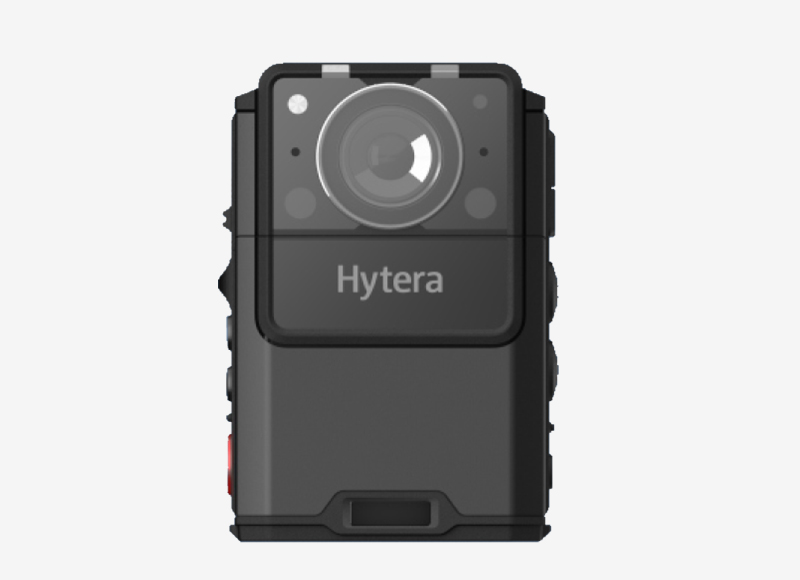
Hytera launch new compact body worn camera
18th January 2024
Let’s start a conversation
If you would like further information, or to discuss your requirements onsite:
Book An Appointment | Arrange A Quotation | Call 033 3939 0022