Archived Blogs
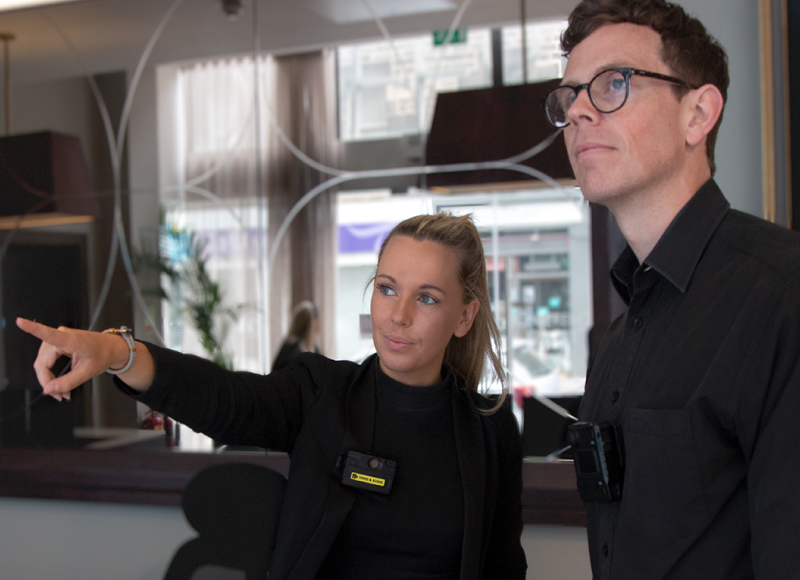
What are the pros and cons of body worn cameras?
Before purchasing body worn cameras, you should recognise who this technology is going to impact your employees and your organisations. Here are some pros and cons of body worn cameras.

Improving safety and communication for lone workers in renewable energy
Lone workers in the renewable energy industry face unique safety and communication challenges due to remote locations and exposure to hazardous conditions, but communication devices and software apps can help by allowing them to stay connected, tracking their location, and direct, resilient communication with supervisors or emergency services to mitigate risks and respond quickly to emergencies.

Four ways WAVE PTX simplifies team communications
For many organisations typically a large part of their workforce is often field based, instead of the typical office environment, and when the flow of information is restricted, organisations are often reactive rather than proactive. Find out how WAVE PTX can support your employees.
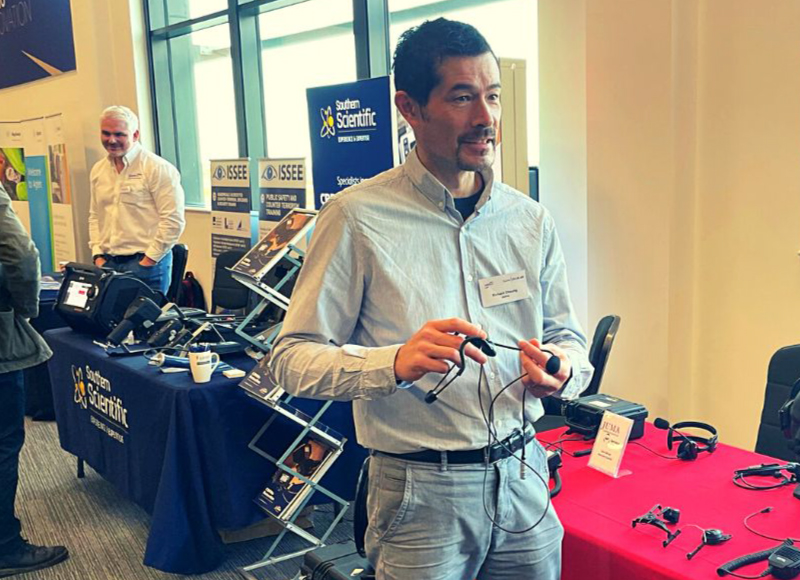
Ask the Expert with Richard Cheung, JUMA Communications
In this months ‘Ask the Expert’ we are talking to POC (push to talk over cellular) service provider, PTTi about their latest software innovations, tackling the confusion around POC and how they are leading the way with their Know More & Do More motto.
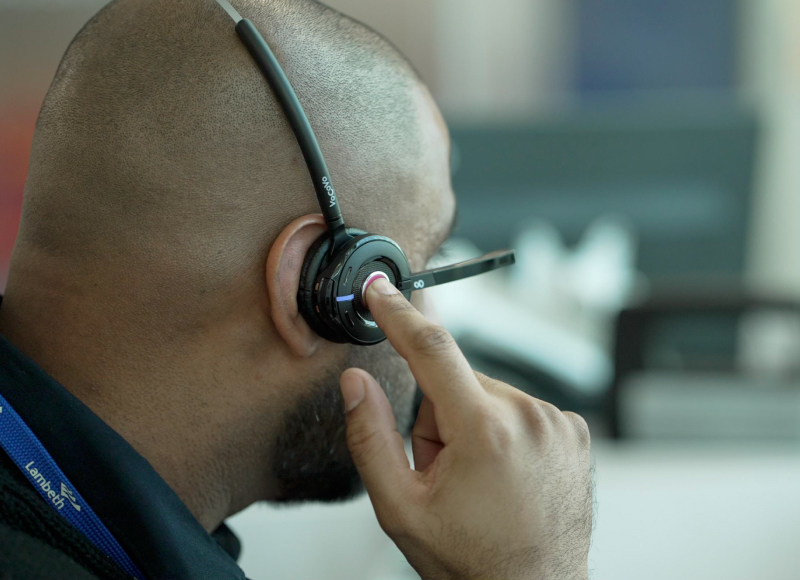
Five ways VoCoVo headsets can boost team productivity and customer service
According to Deloitte’s survey, guests often prioritise engaging with restaurant staff when looking for a positive experience. But with low employee morale, often good customer service can fall short. How are you empowering your team? Find out how VoCoVo’s technology is boosting both customer experience and employee morale.

Top five cloud myths
A cloud-based network architecture offers a unique approach to long-term system growth and emerging data capabilities. But what are the biggest concerns around cloud based network solutions and is there any truth in them?
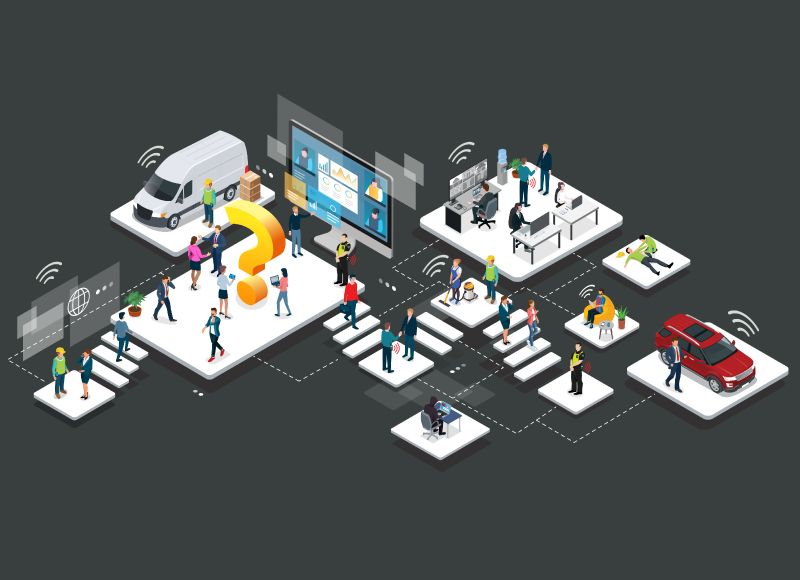
A guide to selecting the right communication system
Regardless of the industry or user, having the right tools to hand and the ability to respond and react quickly to any situation is imperative. This blog post offers an insight into how to identify your challenges, and the process to follow to help you to achieve your goals, and do more with less.
Are my two way radios genuine?
Despite looking identical to their authentic counterparts, non-genuine/counterfeit two way radios, BBPTT devices, batteries, and accessories are manufactured to very different quality standards. Here a six reasons why grey import two way radios and BBPTT devices are not worth the risk.
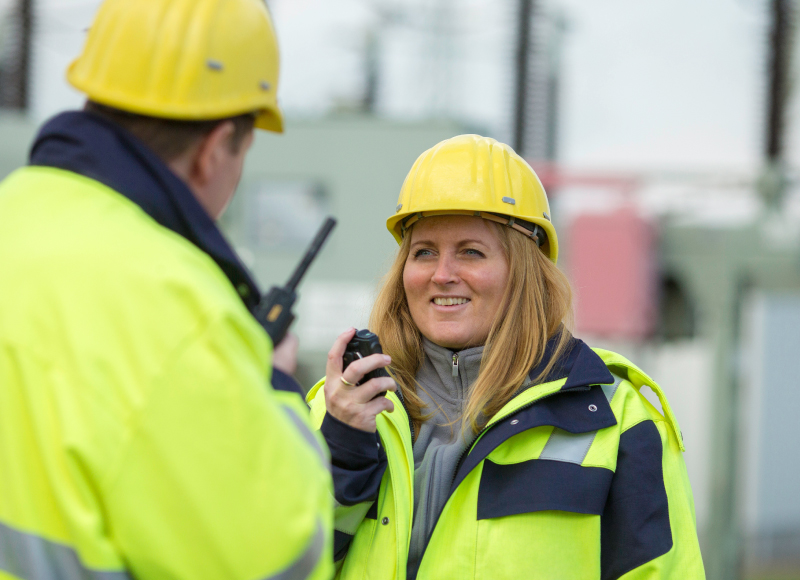
Tips for optimising two way radio performance
Two-way radios have been used for communication for almost 100 years and have become an essential tool for multiple businesses and industries. Different radio models require different maintenance and optimisation strategies, but the following tips will be useful regardless of your radio brand. We have outlined six points in our blog post here.
How does Entel’s P1 Private PoC radio system work?
The two way radio world has evolved, and we are increasingly seeing the launch of intelligent networks to create smarter connections. Entel’s popular E-PoC service has elevated to the next level with the Entel’s P1 Private PoC radio system to provide Business Critical radio communications.
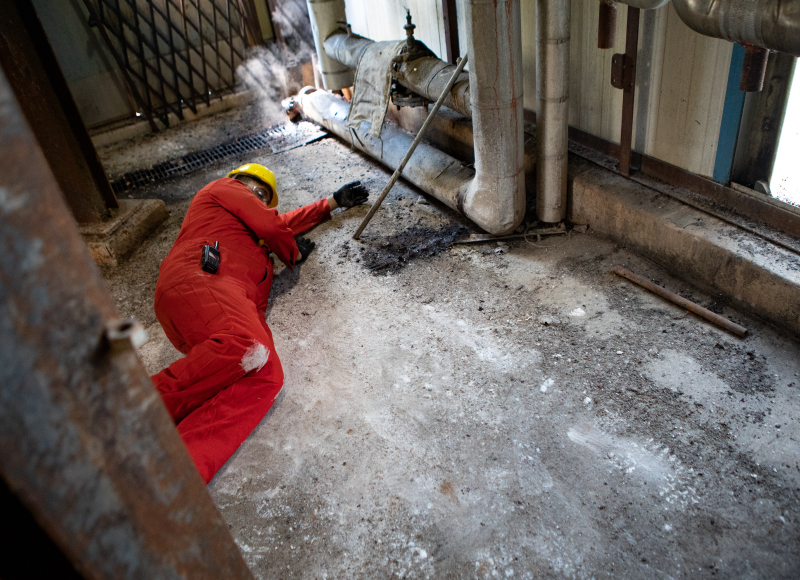
How does the man down function work?
Whether it’s a life-saving device for a first responder or a safety monitoring system for an engineer on a nuclear power plant, a Man Down system can provide immediate support to an employee requiring support. But how do these devices and this alarm system work?
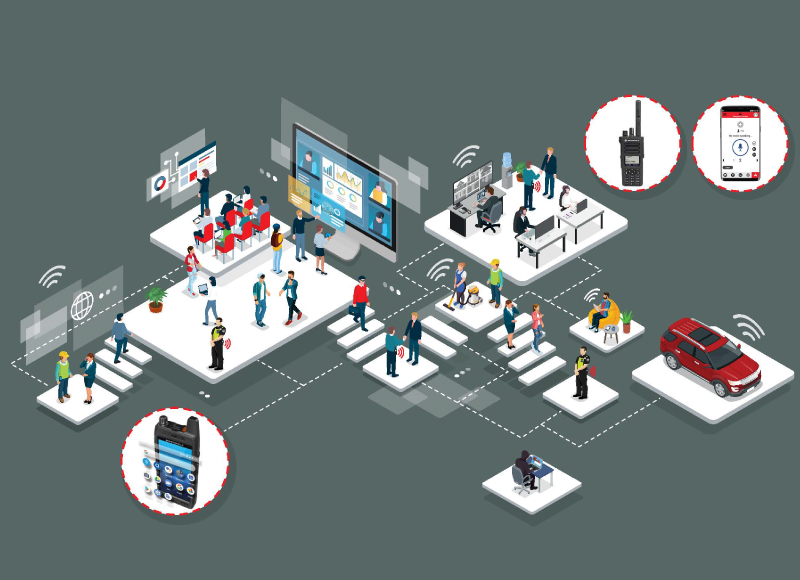
Why Universities are turning to smart technologies to solve safety pain points
University staff and students should feel safe; there is no doubt that technology is being integrated more and used to create a safer learning and working environment, where everyone feels protected. With a growing dependence on mobile devices, software app, IoT, and a drive to meet growing demands for hybrid working environments, higher education has had to rapidly adapt its technology over the last three years to modern, intelligent, and ‘always on’ solutions to solve their paint points.
Why do you need an OFCOM two way radio licence?
An OFCOM two way radio licence is required to operate two-way radios in the UK. We discuss in this blog post all the frequently asked questions surrounding applications and management of your Ofcom two way radio licence.
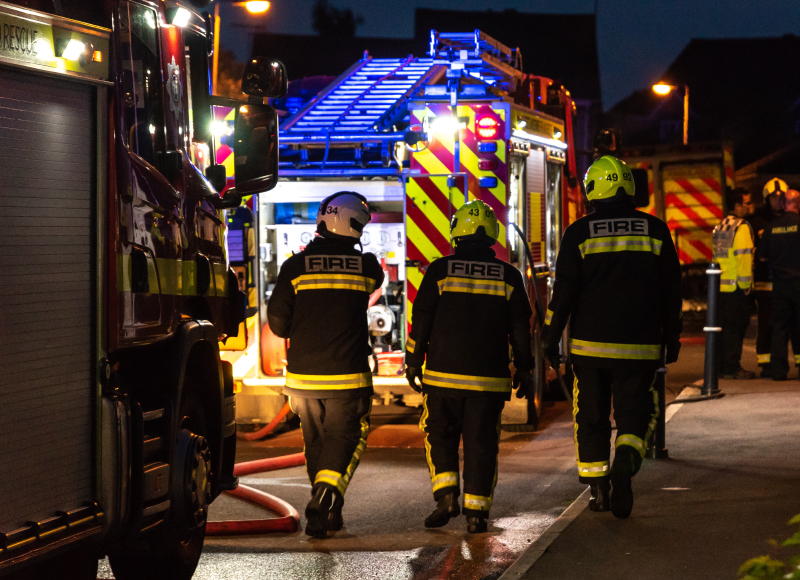
The connected fireground with Mark Scoales, Greater Manchester Fire and Rescue Service
A cloud-based network architecture offers a unique approach to long-term system growth and emerging data capabilities. But what are the biggest concerns around cloud based network solutions and is there any truth in them?

Two way radio frequently asked questions
What is the purpose of two way radio? Do all two way radios work together? Delve into our most frequently asked questions to find out if two-way radios are the device for your team to communicate.

What you need to know about buying two-way radio and PoC equipment
Despite looking identical to their authentic counterparts, non-genuine/counterfeit two way radios, BBPTT devices, batteries, and accessories are manufactured to very different quality standards. Here a six reasons why grey import two way radios and BBPTT devices are not worth the risk.

Understanding the difference between UHF and VHF two way radios
One of the first steps to take before purchasing a new two-way radios is to determine the best frequency band for your needs. The reason behind this is to ensure you the optimum results from your investment. This blog post covers all considerations you need to make.
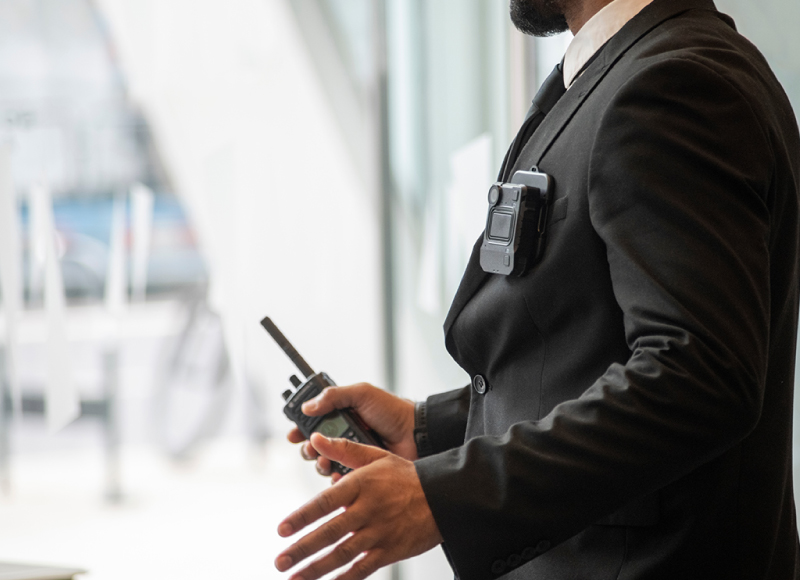
Five reasons why you should invest in body worn cameras
Body worn cameras can provide valuable intelligence to assess risk before an incident occurs and are particularly useful in high-risk situations where there is a strong likelihood of attack or altercation. Here are five reasons to consider deploying them.

The challenges of leaving the Armed Forces
In this article, we talk to former Armed forces personnel who have made the transition to civilian employment with Radiocoms. It can be a difficult transition for those leaving the military to begin their first civilian career. Hear what they have to say about their journey.
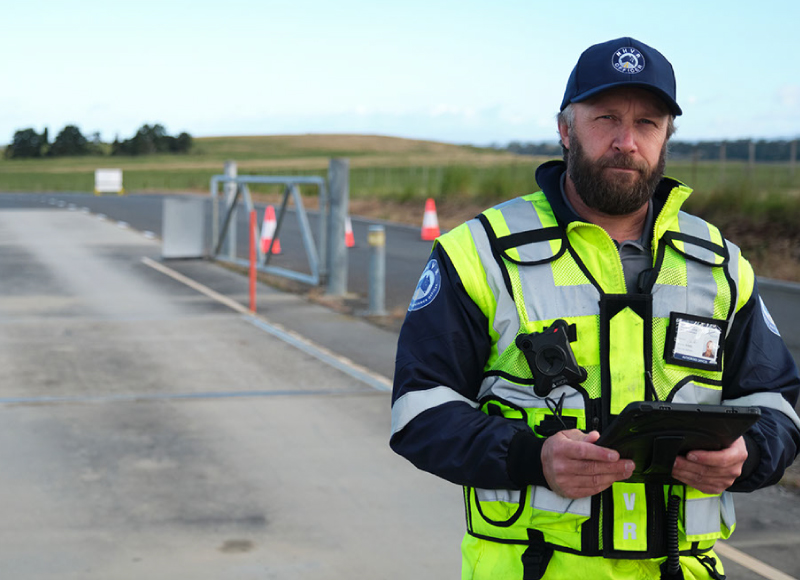
Body worn cameras frequently asked questions
Wearing a body worn camera can provide protection from false accusations, help to improve public safety, and can be used to build community trust and confidence. Here are our most frequently asked questions.
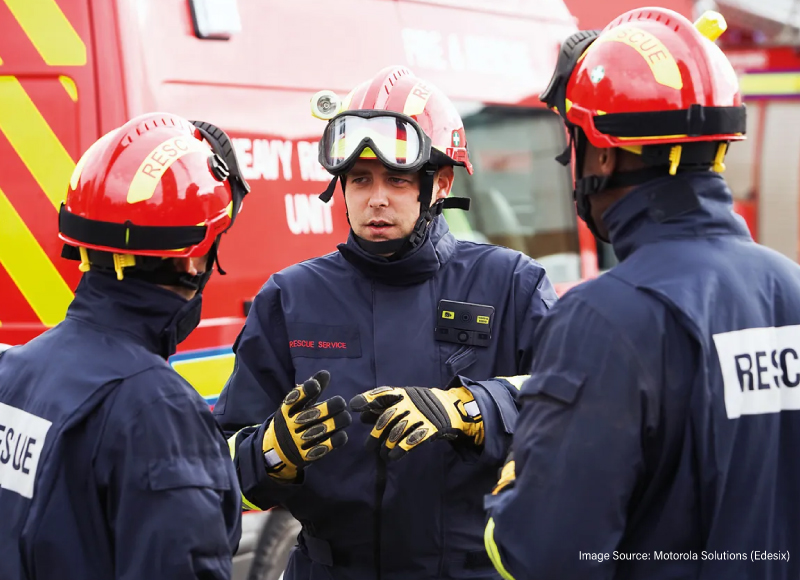
Firefighters and Body Worn Cameras: How can this technology help protect our first responders?
While it’s logical that the future will involve an increased amount of body worn cameras being deployed as incidents increase in number and severity, the core issue they address are supporting both safety protocols and the mental and physical well-being of your firefighters.
Listen: How is smart technology making the factory a safer place to work?
There is a growing need to create more profitability from production lines while dealing with aggressive global competition and ensuring worker safety. Listen to Sean Fitzgerald discuss the future of smart manufacturing in Motorola Solutions podcast.

Benefits of Group Communications as a Service (GCaaS)
In the current environment, organisations are at a crossroads in terms of what types of devices and apps they should provide to their employees to ensure effective communication between their onsite, on-the-go, and remote workers. How can GCaaS support your decision?

Technology Focus – How can satellite PTT support critical communications?
Ultimately, drones support emergency services in reducing risks to the public and other first responders. In this article, Andrew Bird discusses how DJI Enterprise’s technology can support your teams to develop best practices and optimal standards when integrating drones into command protocols.
Listen: What role does smart technology play in manufacturing?
There is a growing need to create more profitability from production lines while dealing with aggressive global competition and ensuring worker safety. Listen to Sean Fitzgerald discuss the future of smart manufacturing in Motorola Solutions podcast.
The difference between MCS, VoLTE, PoC
Due to the advancement of technology, wireless communication systems are becoming more and more broadband-based. But what is the difference between MCS, VoLTE, PoC? This article explains.
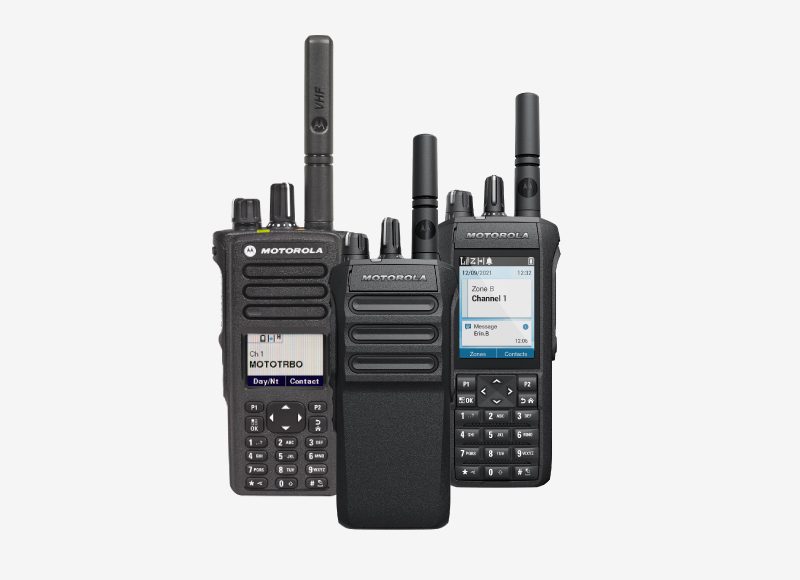
The difference between MOTOTRBO DP4000e and R7 two way radios
The R7 handsets represent the latest and greatest in digital radio technology. They build upon their DP4000 series predecessors, providing enhanced functionality, improved audio quality, and powerful software capabilities. Find out more here.

A connected workforce is a safe workforce
How can communication technologies and software applications address the ever growing demand on a University’s widespread workforce, inter campus workflow and now pressures created by the COVID-19 pandemic?

How are you connecting workers in a changing world?
With over 60% of the UK’s workforce working remotely, it’s imperative that anyone who needs to be part of the decision-making process is included, regardless of their location or device of choice. Take advantage of a platform that safeguards your communications.

How does WAVE PTX On Prem work?
The most common and traditional method of using enterprise applications is on-prem software, but what are the advantages and disadvantages when installing WAVE PTX on premise?

Tech Focus – MOTOTRBO ION and Scandit partner
Lighten the load with MOTOTRBO Ion Barcode and Scandit barcode scanning, do more with less and eliminate the need for multiple devices.
The benefits of push to talk over cellular technology
In the current environment, organisations are at a crossroads in terms of what types of devices and apps they should provide to their employees to ensure effective communication between their onsite, on-the-go, and remote workers. How can GCaaS support your decision?
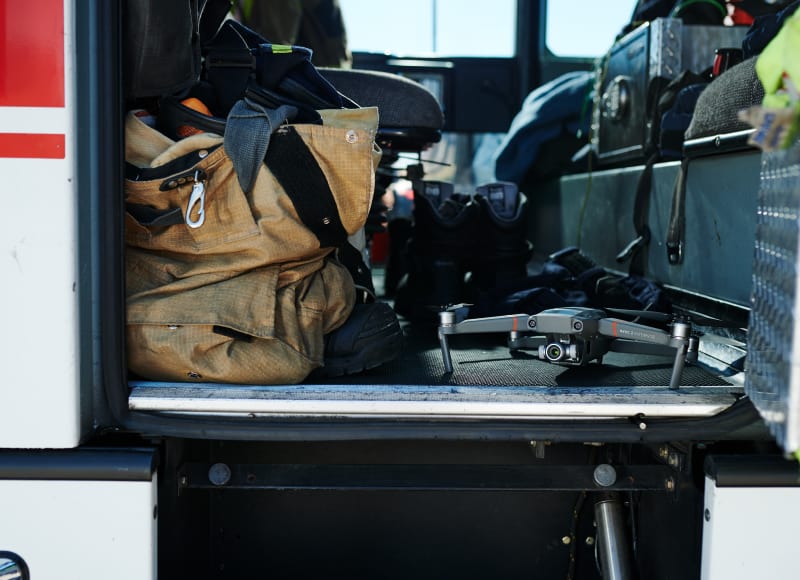
Technology Focus – Choosing the right drone detection technology for emergency service teams
Ultimately, drones support emergency services in reducing risks to the public and other first responders. In this article, Andrew Bird discusses how DJI Enterprise’s technology can support your teams to develop best practices and optimal standards when integrating drones into command protocols.
Technology Focus – Creating a fire alarm solution with your two way radio system
Ultimately, drones support emergency services in reducing risks to the public and other first responders. In this article, Andrew Bird discusses how DJI Enterprise’s technology can support your teams to develop best practices and optimal standards when integrating drones into command protocols.

Why should you have an annual maintenance framework?
Whichever industry you operate in, and whatever challenges you are looking to solve, a customised annual maintenance framework can support your organisation so you can get on with what is important, running your organisation and supporting your team. In part two of our maintenance focus Terry discuses how routine maintenance helps to extend your assets longevity, reducing downtime to maximise efficiency, and improve safety.

Ask the Expert with Fern Communications
In this month’s ask the expert we speak with Fern Communications Technical Director, Clive Cushion. Responsible for the design of the compact and innovative portable repeaters, he explains how their repeater architecture creates greater security and reliability making it easier to communicate over historically problematic environments.
What should a professional push-to-talk application be able to offer?
Many BBPTT applications claim to turn your smart device into a two way radio. But how do you know which application to select for your organisation and can it support your operational and safety requirements? We explore six considerations.

Technology Focus – Where does BBPTT technology fit and how can it support business resilience?
Technology has played a critical role during the pandemic. With a new set of limitations never experienced before, organisations of all shapes and sizes faced and continue to face unique challenges. In this article Richard Webb from Airsys.Cloud discusses BBPTT and how it can now claim to be business critical.
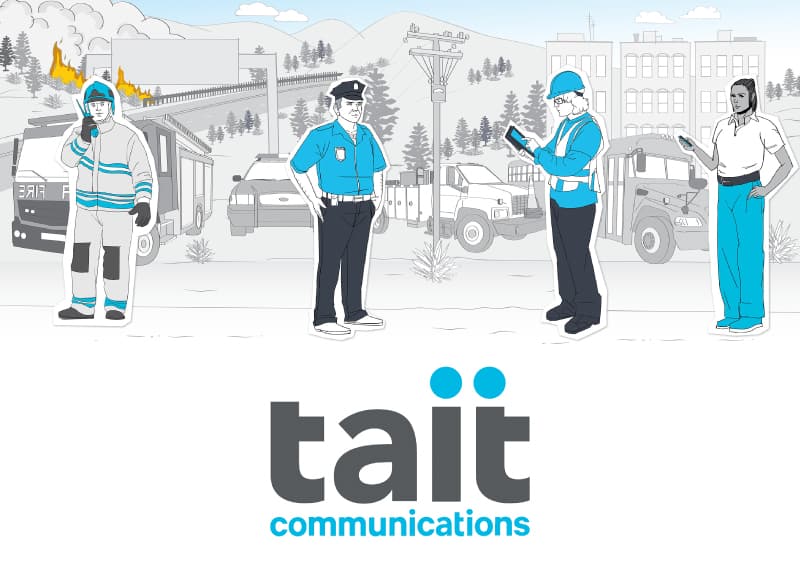
Ten ways unified critical communication can benefit your organisation by TAIT Communications
The current explosion of emerging digital technologies is giving access to more information than we’ve ever had at our fingertips. Unified Communications connects individual devices across across PMR/DMR, LMR, LTE and WiFi, creating a seamless “network of networks”.

How can extended warranties support proactive equipment protection?
In this month’s additional services focus, we are looking at how your radio communications systems life cycle can be supported with extended warranties. Part one gives an insight into what considerations should be made.

Whitepaper – Putting team communications to work in Transportation & Logistics
Two way radio has a history spanning over 100 years. Its form may have evolved but it still provides organisations both in the private and public sector with one of the most powerful and reliable forms of communication.

Infographic – Boosting efficiency in transportation with intelligent two way radio
Three major factors are driving the evolution of transport communication systems: passenger and staff safety, passenger satisfaction, and the efficiencies and productivity unlocked by big data. Discover how Motorola Solutions technologies work at the heart of all these areas.

Insight – Land, sea, air and rail – keeping Britain moving
Organisations in both the private and public sector are re-examining how they can plan forthcoming technical infrastructure upgrades to meet essential KPIs, SLAs or other operational measures. The Motorola Solutions MOTOTRBO Radio Management platform offers a way for organisations to simplify workflows, reduce downtime and create significant expenditure savings.

Merry Christmas and Happy New Year from Radiocoms
On behalf of the Directors and Team at Radiocoms we wish you all a happy and healthy festive season. View our full Christmas message and opening times over the festive period.
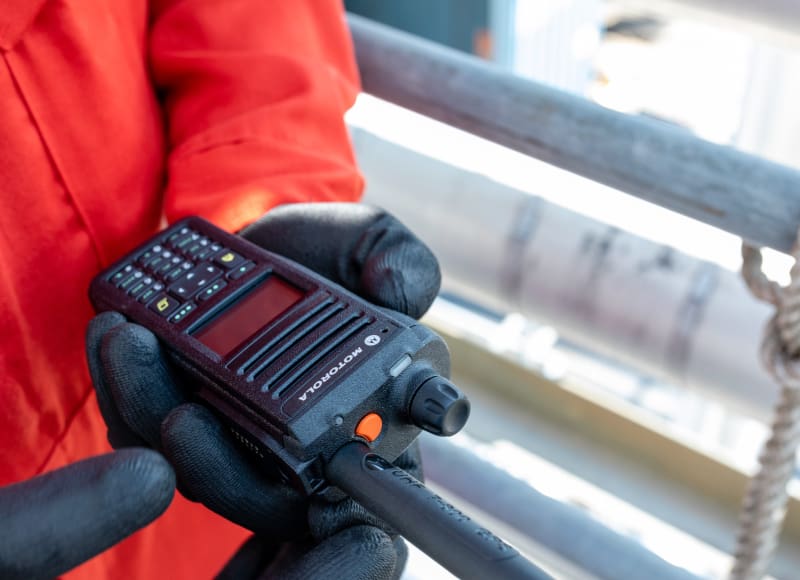
Technology Focus – How to lock, locate & revive your two way radios
Organisations in both the private and public sector are re-examining how they can plan forthcoming technical infrastructure upgrades to meet essential KPIs, SLAs or other operational measures. The Motorola Solutions MOTOTRBO Radio Management platform offers a way for organisations to simplify workflows, reduce downtime and create significant expenditure savings.
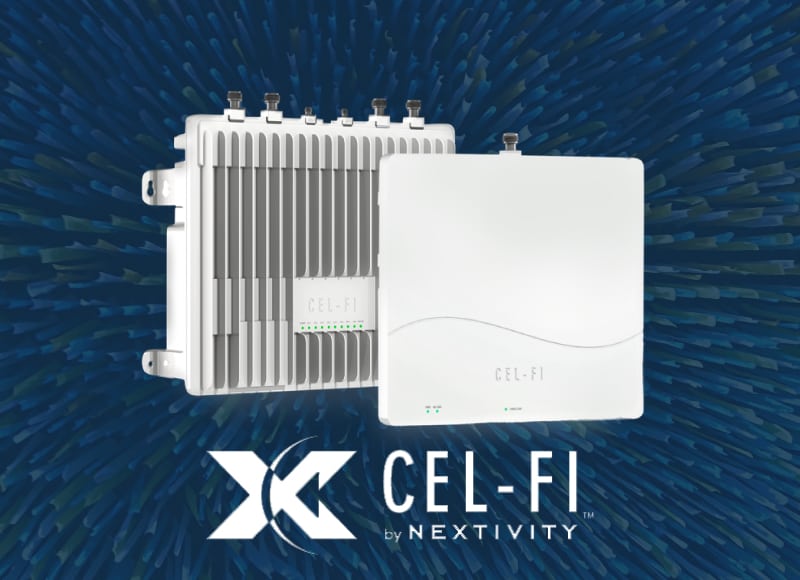
Product Focus – Cel-Fi QUATRA 1000/2000 in-building enterprise cellular system
Spotty cellular coverage, poor voice quality, dropped calls, and dead zones continue to plague occupants in middleprise buildings. Cel-Fi QUATRA is an Active DAS Hybrid can solve this problem.
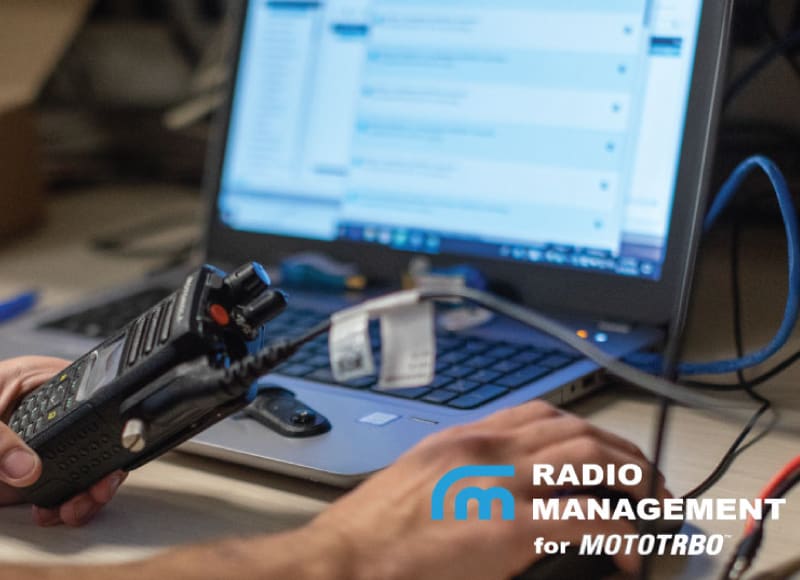
Technology Focus – How to support your radio system remotely
Organisations in both the private and public sector are re-examining how they can plan forthcoming technical infrastructure upgrades to meet essential KPIs, SLAs or other operational measures. The Motorola Solutions MOTOTRBO Radio Management platform offers a way for organisations to simplify workflows, reduce downtime and create significant expenditure savings.

Solution – Four AI surveillance & communication technologies that support complex business problems
Regardless of size, the public and private sectors are both looking for answers to complex workplace challenges, these include addressing new ways to support safety and restructuring operating models to meet the needs of their customers and employees as social distancing measures remain in place. AI decision-making technologies are being adopted for their short and long term adaptabilities.

Blog – How can communication technologies and software applications address the ever-growing demand on a university’s widespread workforce, inter-campus workflow and, now, pressures created by the Covid-19 pandemic?
The return to campus has left a large majority of universities questioning how their existing technologies can support them in delivering instantaneous team communications or mass notifications should an emergency arise. Paul Jenkins discusses with UB Magazine.

Podcast – Two way radio – A firefighters lifeline
Clear, concise communications are essential in the dynamic environment of a fireground incident. What technologies are firefighters utilising to support their intense amount of fast-paced communication and visibility challenges?

Blog – On-premise vs cloud-based software solutions
When selecting a software solution to support a radio communications system one of the most crucial parts is evaluating the risks and benefits of whether the deployment will be on cloud, or on premise. Every business case is unique and priorities will be dependent on your IT policies & procedures, organisational workflows and what data is being stored – Radiocoms Cory Pennicott, explores.

Blog – Resilient communications for tall buildings with the Hytera E-pack 100
Lack of radio coverage inside buildings can severely hamper the ability of fire services to tackle fires, locate occupants or oversee emergency evacuation procedures. Poor communications can lead to increased loss of life and damage to property, see how the Hytera E Pack can help you tackle complex communication requirements.

Five Misconceptions about Two-Way Radio
Over the last decade, the advancements made in digital radio communications technology has rapidly gained pace and so have the misconceptions surrounding it. Misconceptions can often hinder the decision making process for organisations, whether you are exploring the choices to acquire more devices, updating existing legacy infrastructure, or considering a different technology altogether.

How can you enhance team communications during social distancing?
Two-way radio technology enables your teams to keep communications flowing once they return to work as lockdowns are lifted. By keeping your employees connected through voice communications and data services such as work ticketing, you can maintain and even improve the efficiency of your workforce.
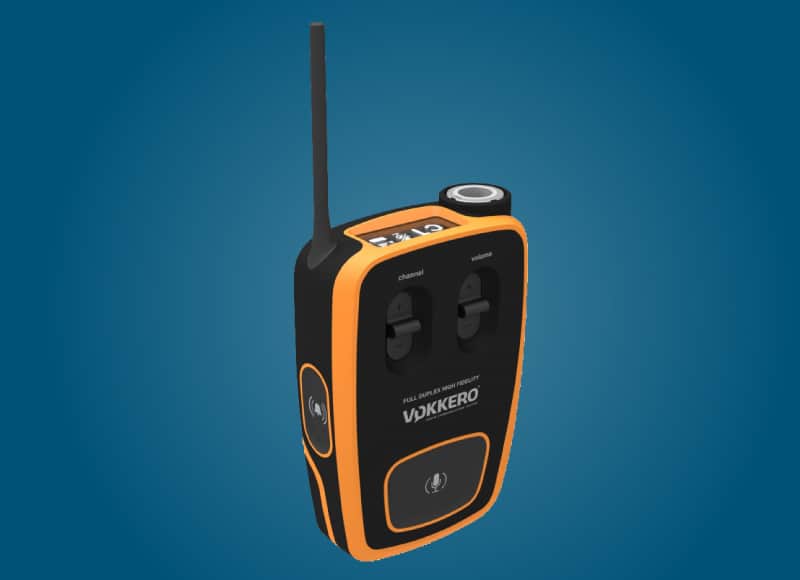
Product Focus – VOKKERO for Healthcare
Healthcare professionals require instant and secure communications to aid in the management of their wards and personnel communications. The lightweight VOKKERO Guardian provides a full duplex two-way radio that can be worn comfortably underneath PPE.

Product Focus – VOCOVO – Connecting Teams Together Even at a Distance
VOCOVO Team Communication Headsets, Handsets and Call Points are aiding small businesses & retail organisations to work within their new COVID 19 social distancing guidelines.
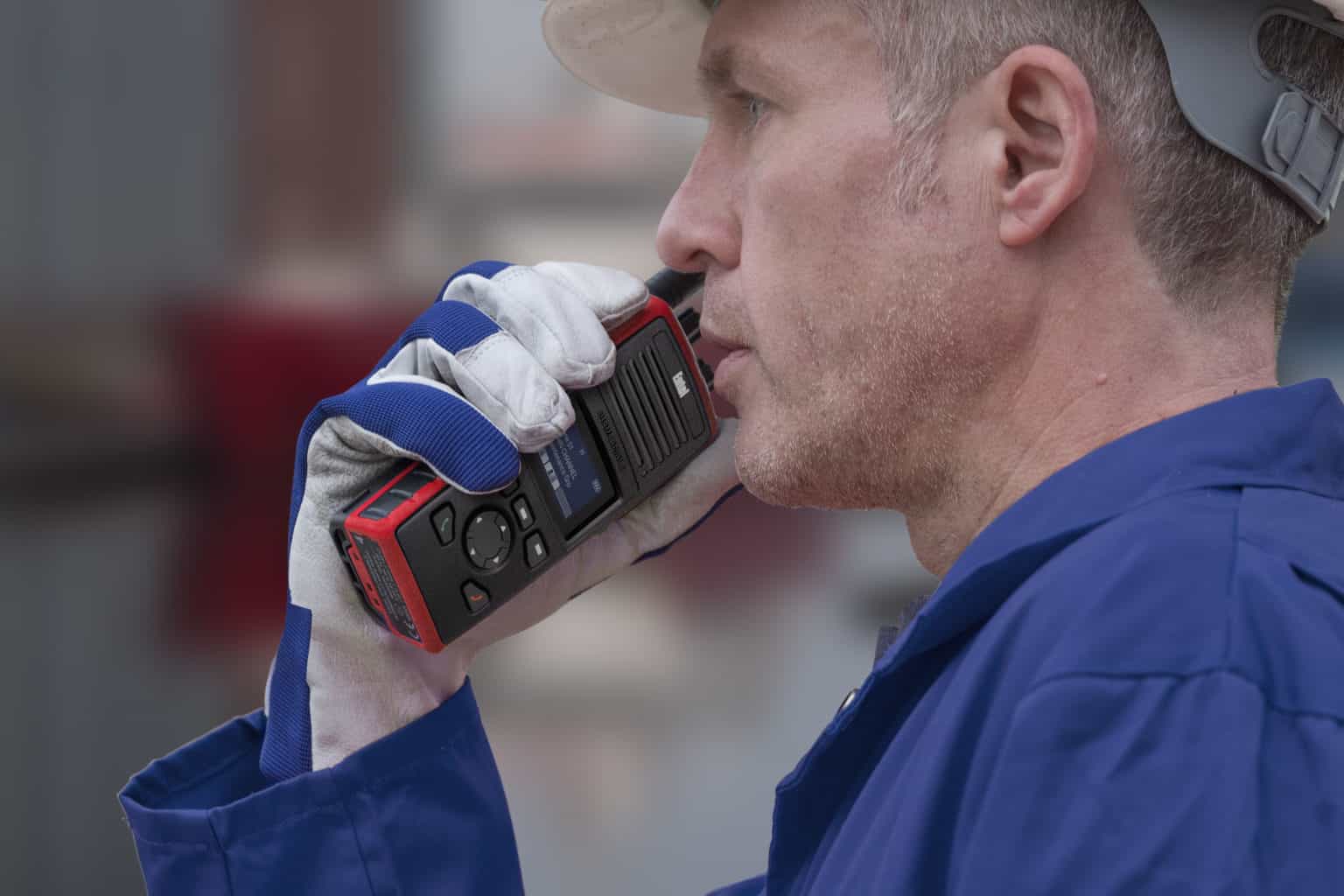
Product Announcement – Entel launch MED compliant marine fire fighter ATEX handportable
With stock available from April 2020, Entel will be the first to market with an extensive range of MED compliant Fire Fighter Radios. The class-leading distinctive red bodied DTEx Firefighter Radios are available in ATEX IIB, and for vessels requiring a more stringent gas rating, there is also an ATEX IIC variant.
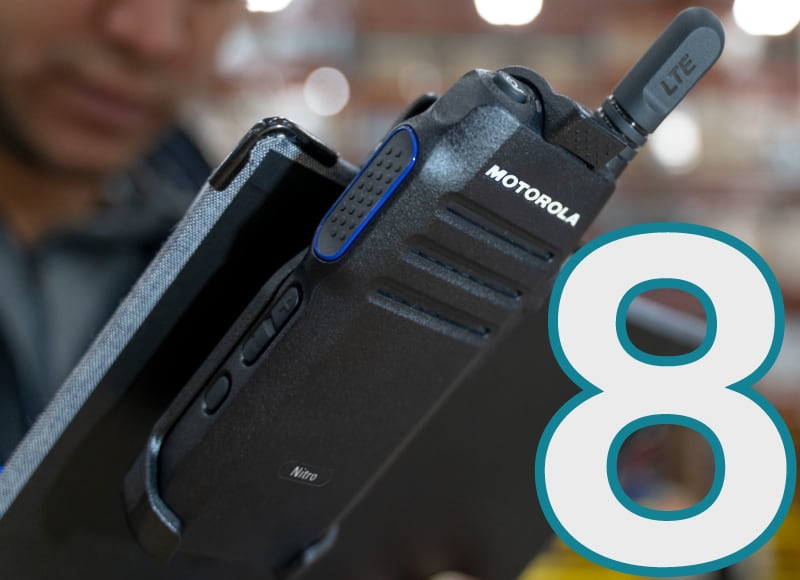
8 Reasons why two way radio can benefit your organisation
Two way radio has a history spanning over 100 years. Its form may have evolved but it still provides organisations both in the private and public sector with one of the most powerful and reliable forms of communication.
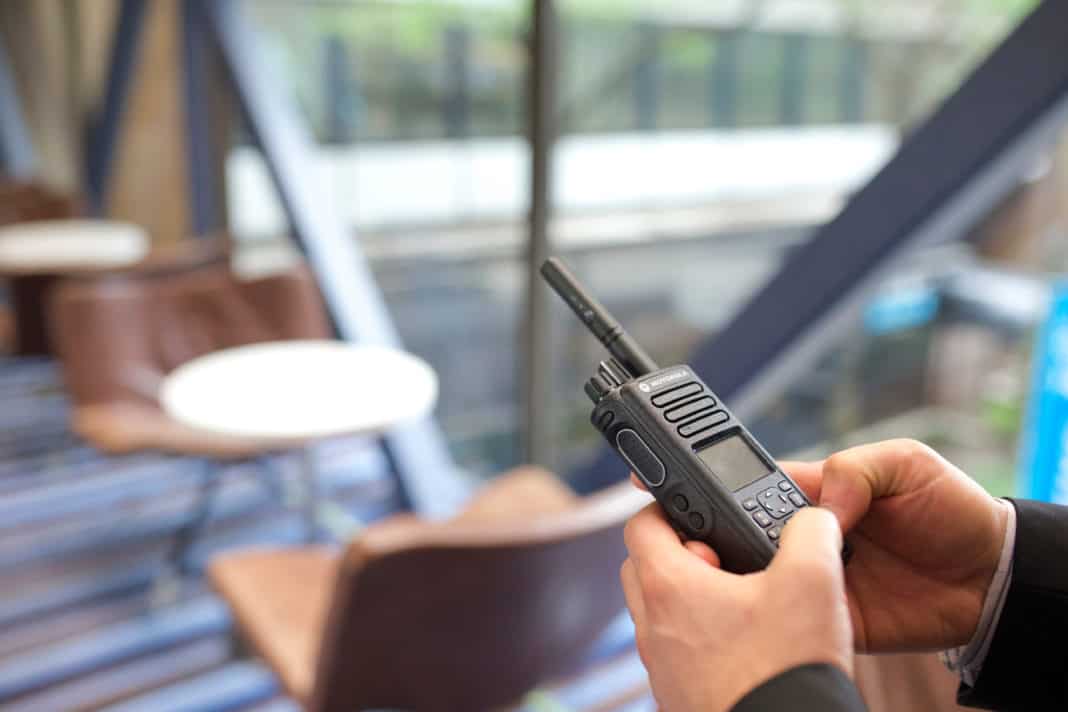
Share Information Quickly, Discreetly, Safely with Two Way Radio Text Messaging
How do you get information to your mobile employees conveniently, discreetly and safely? Extend your desktop applications without added infrastructure or cost? Text messaging can improve the speed, safety and responsiveness of your workforce, no matter where they are.

Top Five Features of the Motorola Solutions ST7000 TETRA Device
The Motorola Solutions ST7000 meets the communication needs of executives, customer-facing staff and senior officers in office, airport, hotel and casino environments are driven by style, as well as function.
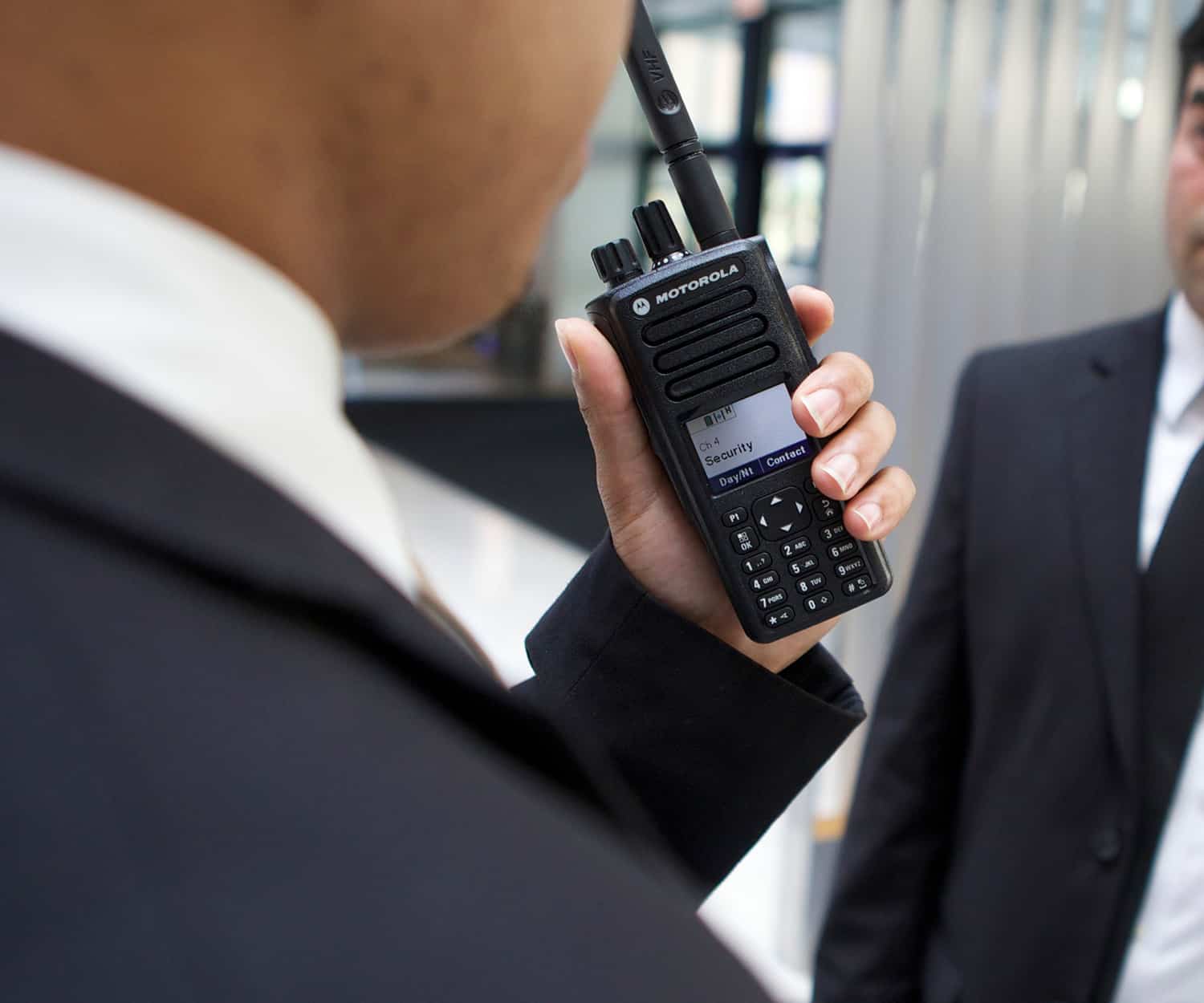
MOTOTRBO DP4000E Digital Two Way Radio Series
Offering a full set of features and rich functionality such as superb audio quality, full-colour display, integrated Bluetooth for audio and data, enhanced GPS, and text messaging the MOTOTRBO DP4000 Series hand portable two-way radios are ideal for both private and public sector organisations.

Product Focus – SAVOX SILENTA XM 4 Face Shield
Unnecessarily touching your face shield should also be avoided, the Silenta XM4 face shield has an adjustable and padded headband and is designed especially for long-term use.

Product Focus – SAVOX SILENTA MM4 Disposable Face Shield
The SAVOX SILENTA MM4 Disposable Face Mask is a comfortable disposable face mask which has been designed to prevent splashing from airborne liquids such as coughs or sneezes.
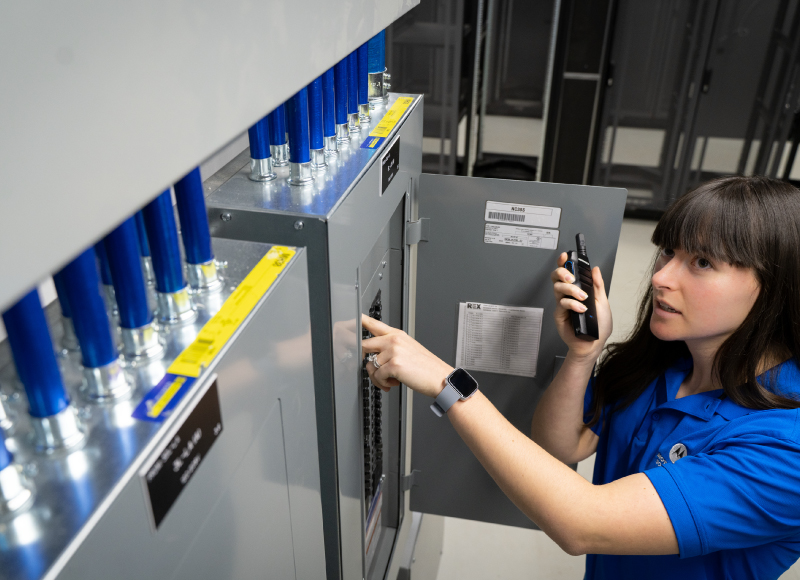
What implications does a power outage have on your organisation?
The disruption of power has been identified as one of the top-four business risks and, surprisingly, almost 75% of the 1500 business leaders researched admitted they were underprepared to deal with power outages. Unexpected power outages can cause unplanned situations that are not only costly but occasionally difficult to recover from.

Infographic – Zebra Technologies Intelligent Enterprise Index
When a manufacturing production line goes down or a worker needs medical assistance, every second counts. In these critical situations, as well as during day-to-day operations, manufacturers are united in their desire for employees to be able to communicate quickly from device or network.
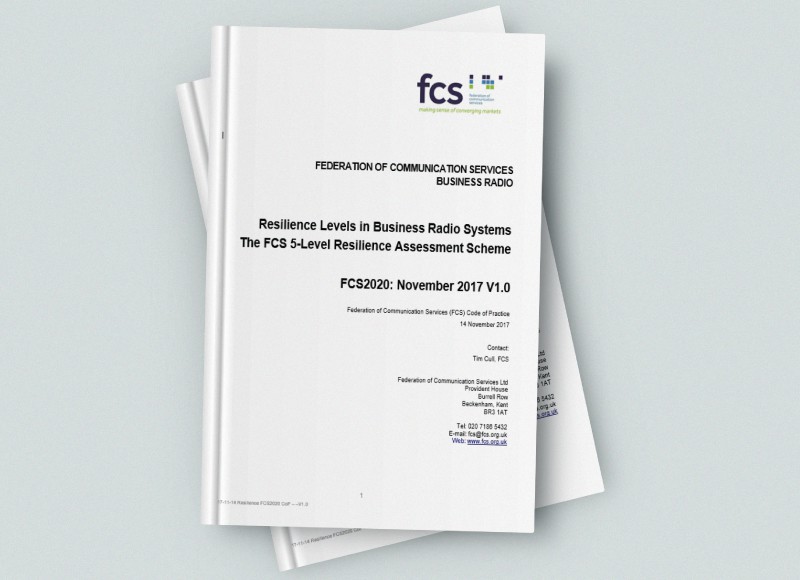
Whitepaper – Resilience Levels in Business Radio Systems by FCS
Professional Radio communication has been used to achieve operational efficiency gains and improve safety arrangements for staff for many years. In this whitepaper, FCS explores resilience levels in business radio systems.
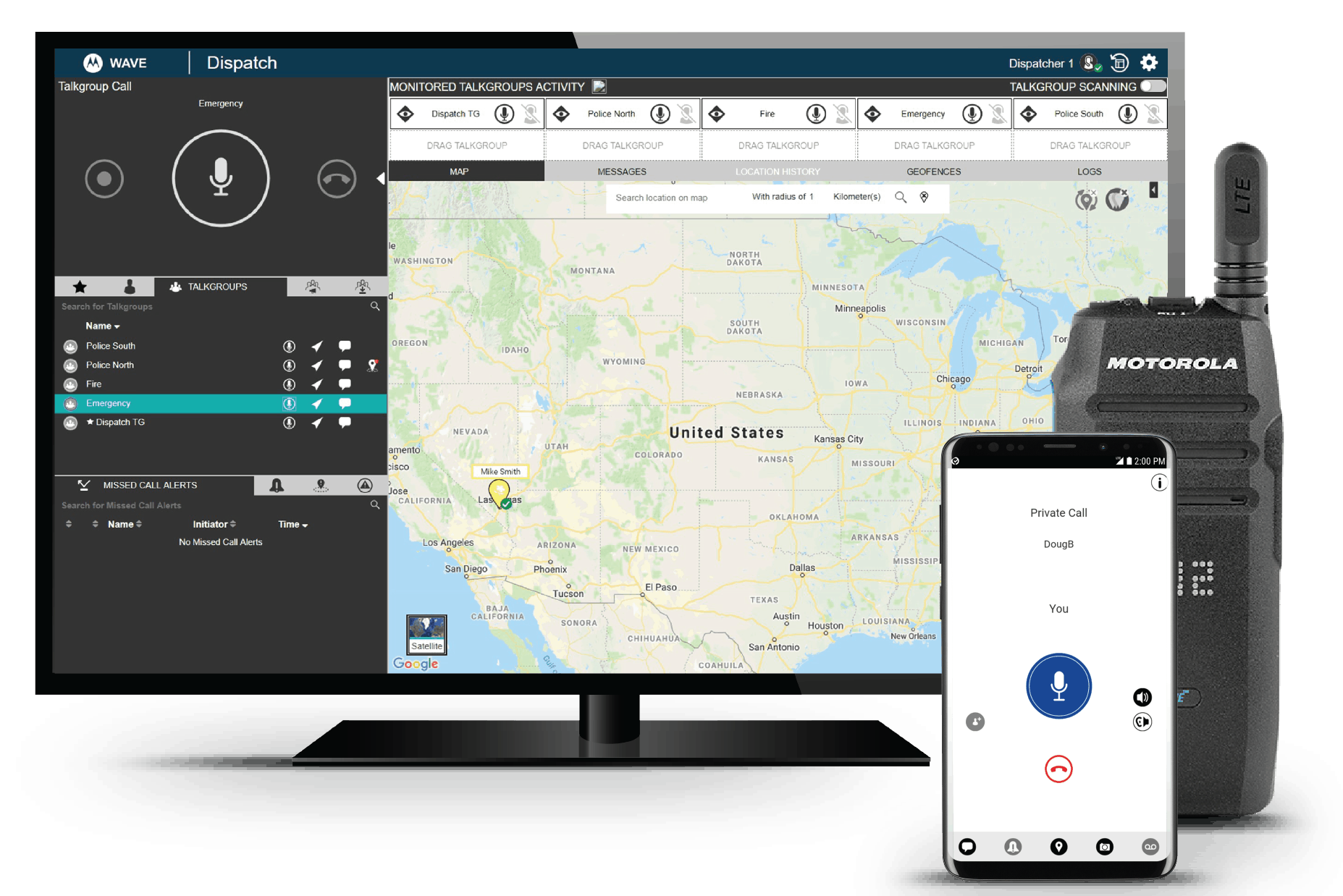
Four Reasons Why WAVE Push-To-Talk (PTT) could be the Software Solution for your Organisation
Industries are undergoing a digital transformation to modernise the way their employees communicate, to increase productivity and ensure their safety. Motorola Solutions WAVE software can unify teams across multiple technological platforms, ensuring they work together seamlessly.
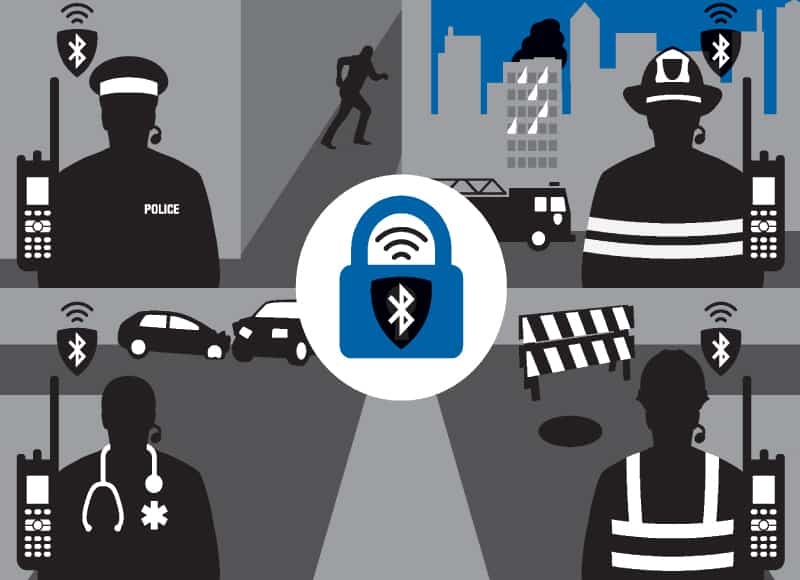
5 Steps to Creating a Secure Bluetooth Environment for your Two-Way Radios
Bluetooth technology is everywhere. By following these five steps you can create a mission-critical Bluetooth environment for your two-way radios and mitigate these risks.
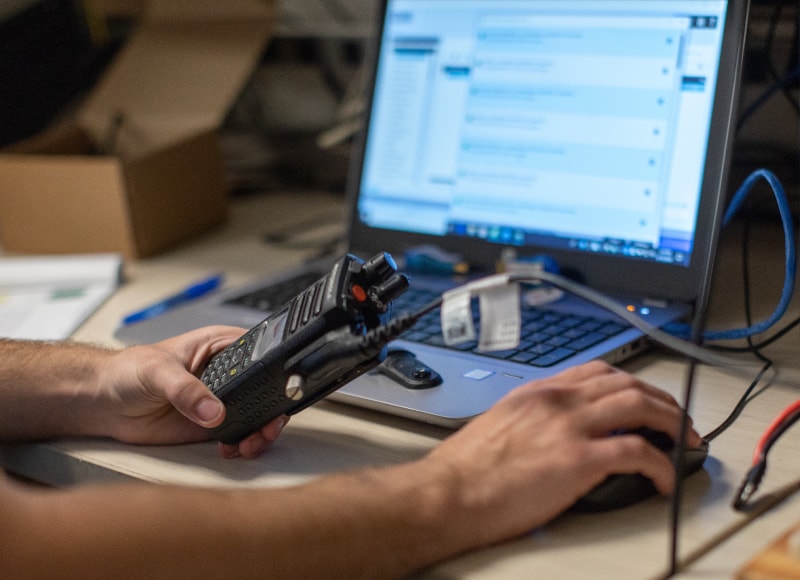
What are the advantages of planned MOTOTRBO software updates?
MOTOTRBO™, as with all computing systems, is composed of hardware and software. Every new software release delivers increased capability, security and reliability, which increases the value of your investment with every update.

What are the Benefits of a Voice Recording Module on your Radio System?
Through a simple, software module Radiocoms Systems Ltd can offer a digital voice recording function on your Motorola Solutions, MOTOTRBO or Hytera two-way radio system.
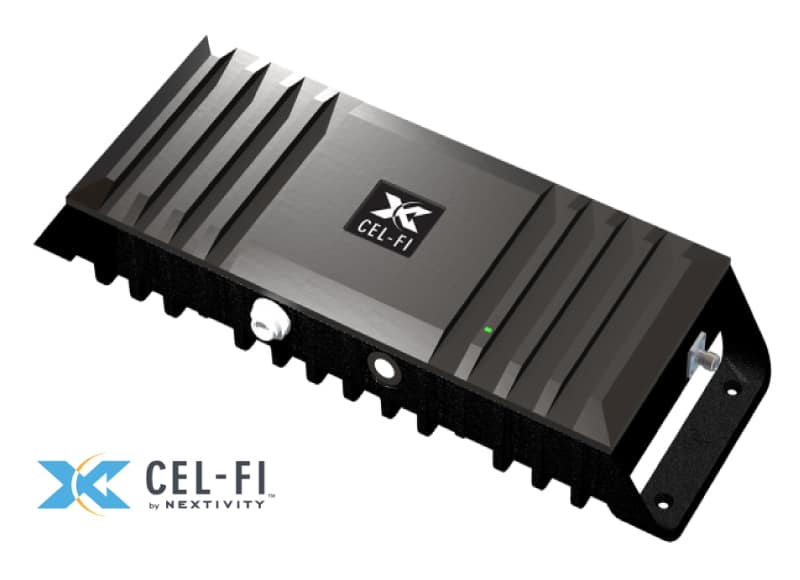
Product Focus – Cel-Fi GO X Mobile Signal Booster for 3G/4G
For Buildings and remote places, the Cel-Fi GO X award winning mobile phone signal boosters offer the most advanced technology for boosting 3G & 4G mobile coverage.
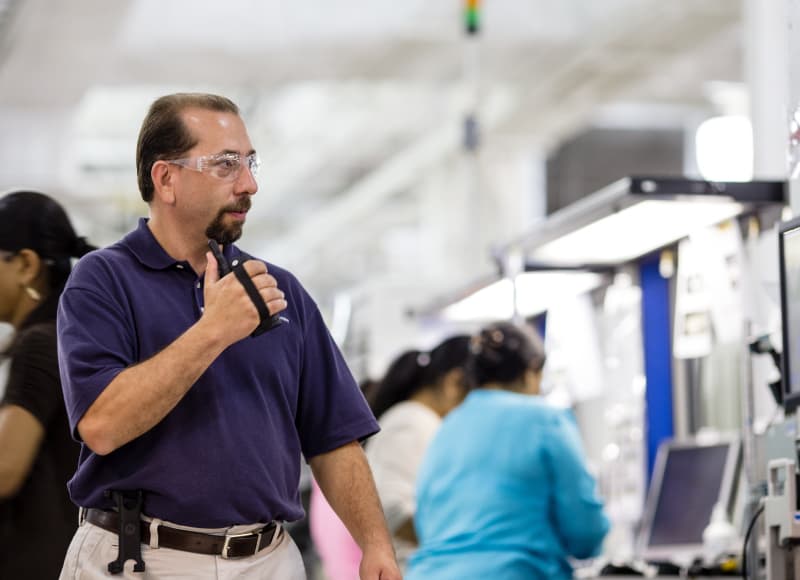
Infographic – Unified Communications in Manufacturing
When a manufacturing production line goes down or a worker needs medical assistance, every second counts. In these critical situations, as well as during day-to-day operations, manufacturers are united in their desire for employees to be able to communicate quickly from device or network.
White Paper – The Future of Professional Digital DMR Two-way Radio by Motorola Solutions
Explore the unique needs of these mobile workers in this Motorola Solutions whitepaper and the ways that digital technology serves these needs in ways that analogue radio can’t.